
Custom Street Light Supplier Partnerships: Terms, Acceptance and Long-Term After-Sales
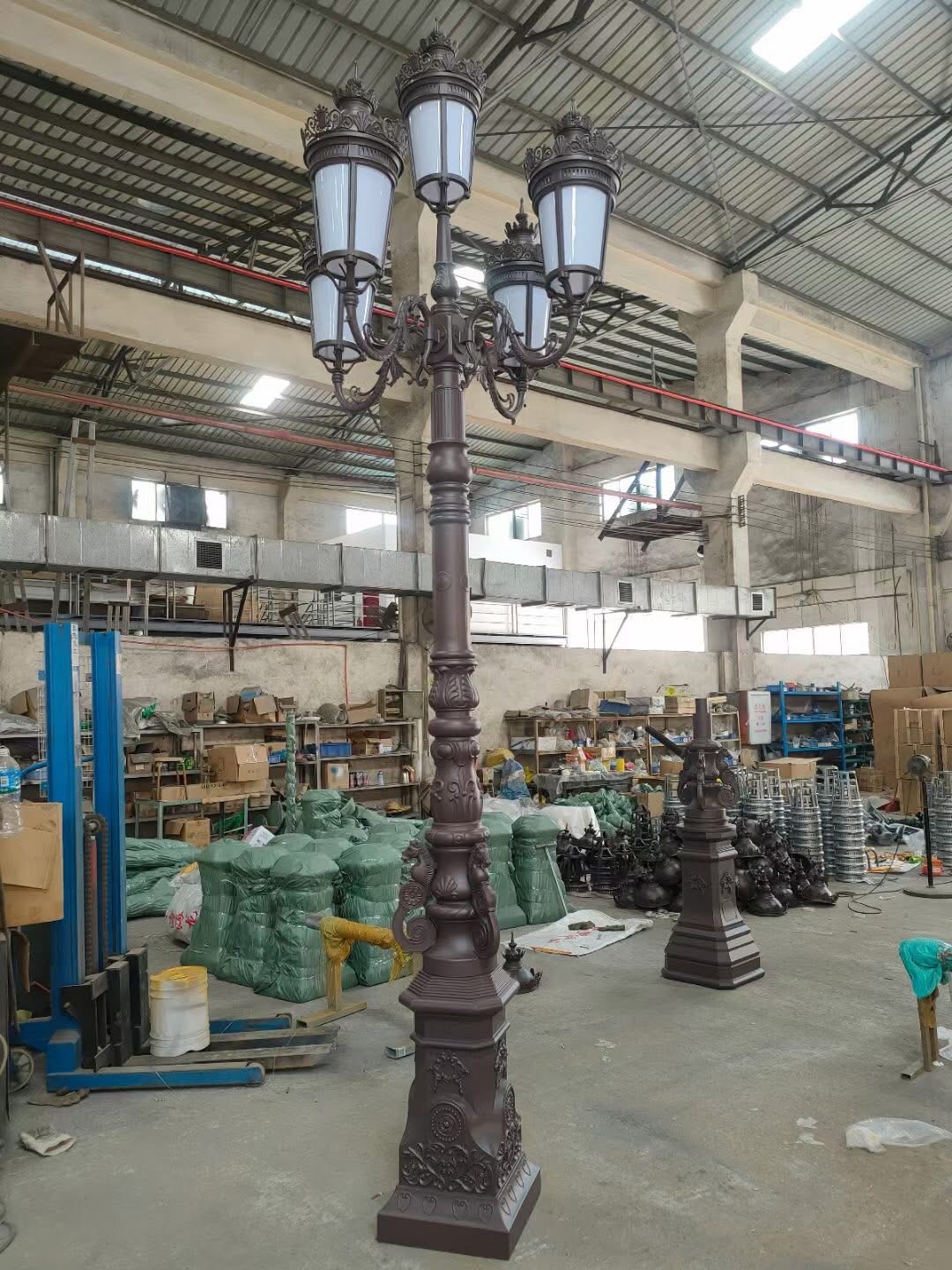
A long-term Custom Street Light partnership is decided less by the first specification than by what happens at the second order, at the acceptance meeting and in the third year of operation. Buyers who judge a supplier only on samples and unit specifications often discover later that the repeat batch no longer matches the approved sample, that "accepted" was never defined in writing, and that after-sales support was a promise rather than a process.
BAIFU LIGHTING — the brand of Zhongshan Baifu Street Lamp Co., Ltd., a custom outdoor lighting manufacturer established in 2013 in Guzhen Town, Zhongshan City, Guangdong, China — manufactures across exactly the range where these risks concentrate: the BF-SL-8M-100W separate-type solar street lamp, the BF-AGL-4000-60W ancient-style courtyard lamp and the BF-LSL-4000-120W custom LED landscape street light. This FAQ-structured guide covers the three layers buyers should settle before the purchase order: purchasing terms, acceptance criteria and long-term after-sales planning.
Why the First Order Is Rarely Where a Partnership Breaks
Buyers usually qualify a custom street light manufacturer on the one thing that is easiest to assess: whether the product can be built at all. Drawings, a sample and a quotation answer that question quickly. What no sample can answer is whether the tenth order will match the first, whether "accepted" has a definition both sides agree on, and whether the after-sales path is a documented process or a verbal reassurance.
Four gaps account for most of the friction in long-term custom and bespoke street lighting programmes.
- Specification drift on repeat orders. A decorative pattern, a RAL colour reference, a bracket arrangement or a control protocol agreed verbally in round one is rarely restated in round two. On architectural street lighting and decorative lighting poles, that drift is visible from the street.
- Acceptance without a protocol. If "accepted" means the shipment looks correct, then protection ratings, power factor, colour rendering and light distribution were never actually verified — even though all four are stated values in the specification.
- After-sales without a boundary. A service life of at least 50,000 hours is a design reference for the light source, not a warranty period. Buyers who do not separate the two end up renegotiating the difference in year four.
- An unwritten control layer. Control options run from standard on-off switching to photocell, timer, 0–10V dimming, DALI and smart lighting control. If the control interface is not written into the contract, matching a batch two years later becomes guesswork.
None of these are manufacturing defects. They are documentation defects, and they are considerably cheaper to close before the purchase order than during a warranty discussion.
Industry Background: Why Custom Terms Have Become More Contractual
The street lighting category is large, LED-dominated and increasingly connected, and each of those three facts changes what a supply contract has to say. Grand View Research valued the global street lighting market at USD 9.1 billion in 2023 and projects USD 11.6 billion by 2030, a CAGR of 3.6%. LED lighting accounted for 79.7% of total revenue in 2023 — new luminaires are effectively LED by default, so differentiation moves to housing design, pole structures, control layers and documentation rather than to the light source itself.
The connected layer is the second shift. Berg Insight put the global installed base of smart street lights at 32.9 million units at the end of 2024, with a 20.9% CAGR projected through 2029. The D4i and Zhaga standards are increasingly adopted for interoperability between sensors and luminaires. For a long-term partnership this turns the control layer into a contractual item: dimming interface, sensor readiness and future interoperability belong in the specification, not in a conversation between engineers.
Two design references matter when acceptance is discussed. The EN 13201 series (parts 1–5) defines quality, performance and energy indicators for road and street lighting design; ANSI/IES RP-8 is the primary American national standard for lighting roadway and parking facilities, focusing on luminance and safety criteria. Both describe what a lighting scheme must achieve — neither is a product certificate, and a written acceptance checklist should not confuse the two.
Supply is not the constraint. China's exports of lighting products reached USD 56.3 billion in 2023, a 7% year-on-year decrease, according to China Association of Lighting Industry data reported by China Daily. With capacity abundant, the practical differentiator for buyers becomes engineering discipline and documentation quality — exactly the areas that are hardest to assess from a catalogue page.
The practical consequence is that purchasing terms for a custom or bespoke street lighting programme now have to carry three layers that were once optional: a written specification baseline, a control-system statement (protocol, dimming interface, sensor readiness), and a documentation package that survives staff changes on both sides of the contract.
The Three Pillars of a Custom Street Light Partnership
1. Purchasing Terms: Anchor the Specification, Not the Description
Terms should reference parameters rather than adjectives. For the BF-LSL-4000-120W, that means mounting height options of 6 m, 8 m, 10 m and 12 m (customisable), an LED power band from 60 W to 200 W, input voltage AC 85–265 V at 50/60 Hz, luminaire efficacy of at least 130 lm/W, colour rendering index Ra≥70 with Ra≥80 optional, power factor PF≥0.95, IP65 or IP66 protection, Class I electric shock protection, a service life of at least 50,000 hours and an operating temperature range of -30 °C to +60 °C.
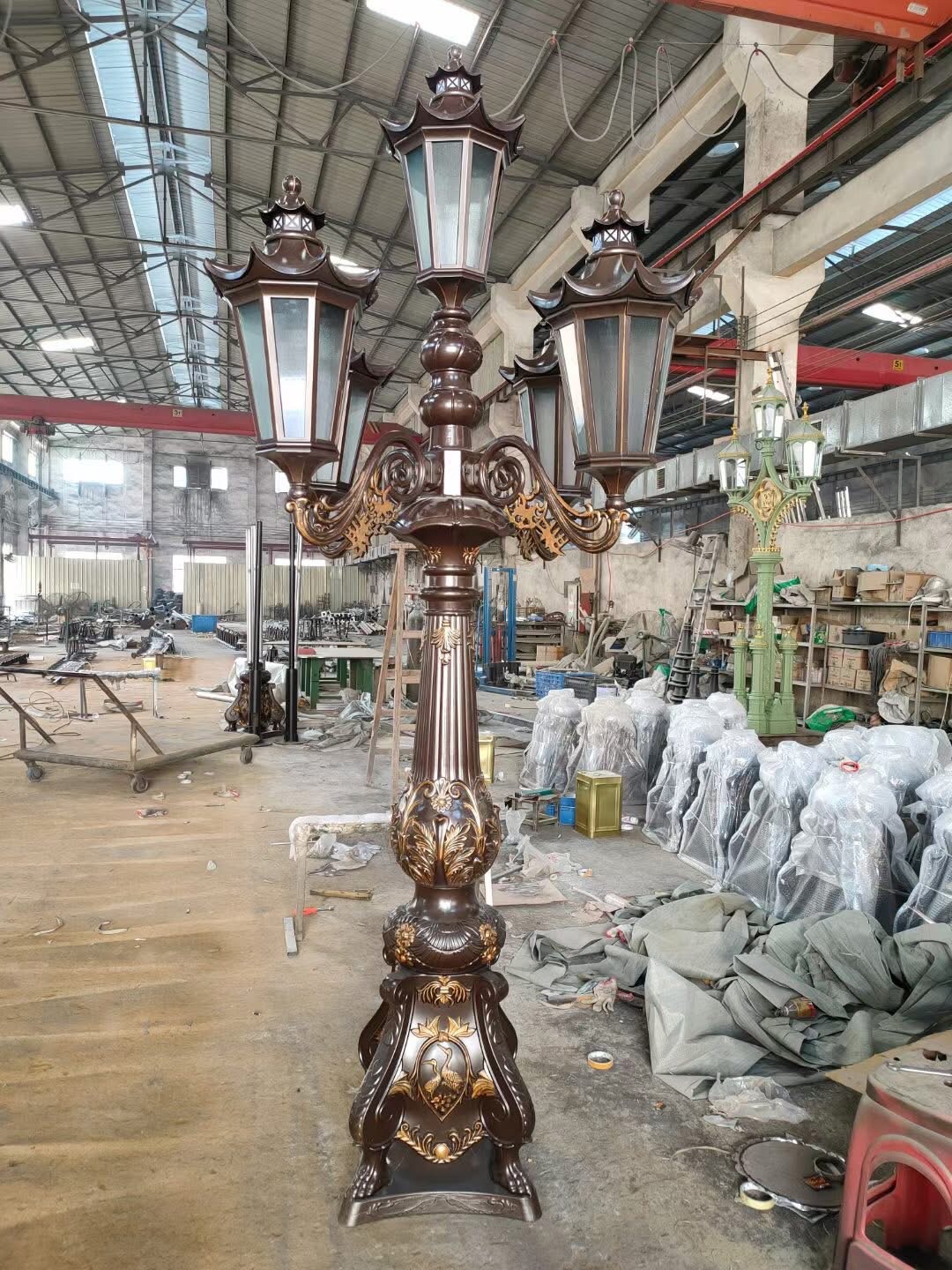
Customisation scope should be itemised in the same document: appearance design, height, power, bracket structure (single arm, double arms, multi-arms, combined high-low lamp heads), colour (dark grey, black, silver grey or bronze, plus RAL colour card matching), decorative features such as hollow patterns, luminous decorations, city logos and cultural totems, light source configuration and intelligent control. Pole structure type — conical, square, special-shaped or artistic — and light distribution (road, plaza or decorative landscape) belong in the terms as well, because both drive later cost and schedule.
Documentation should be a deliverable, not a favour. For international projects BAIFU LIGHTING provides English product specifications, quotations, CAD drawing support, packaging information, export documentation and shipment coordination according to project requirements. Naming these in the purchase order converts them into obligations on both sides.
- Specification baseline, model by model, with the values that will be measured at acceptance.
- Customisation scope: pole structure, bracket geometry, colour or RAL reference, decorative pattern, control method.
- Documentation list: drawings, specifications, packing information and export documents.
- Warranty basis, with an explicit statement that service life and warranty are different things.
- Repeat-order rule: what may not be substituted without written notice.
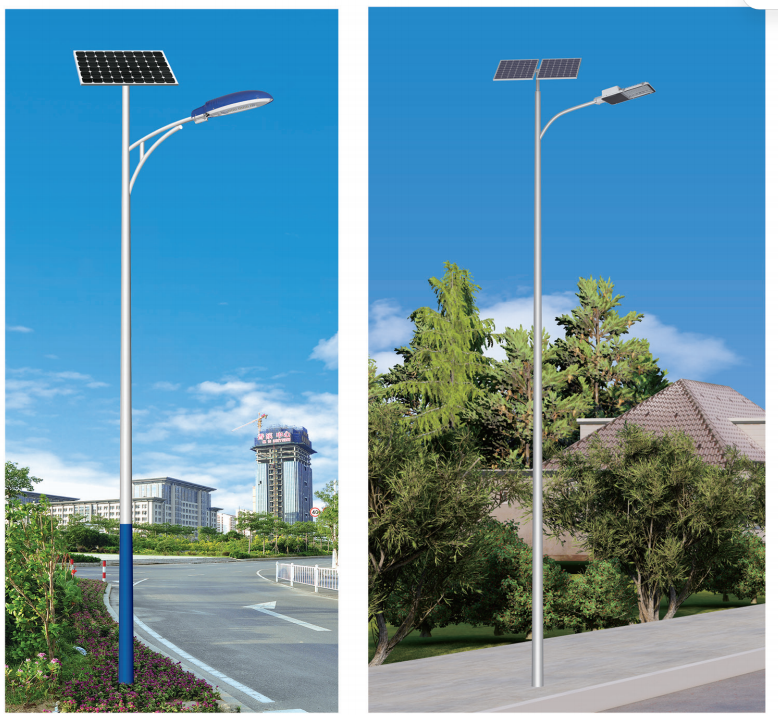
2. Acceptance Criteria: Configuration, Protection and Documentation
A workable acceptance protocol has three layers, and all three should be written before production starts rather than assembled on the day the container is loaded.
- Layer 1 — configuration. Model, mounting height, LED power, colour temperature (2700K, 3000K, 4000K, 5000K or 6000K), bracket style, colour and finish against the approved sample or RAL reference, and decorative pattern against the approved drawing.
- Layer 2 — protection and electrical performance. IP65 or IP66 as specified; Class I electric shock protection; power factor PF≥0.95; colour rendering index Ra≥70, or Ra≥80 where ordered; luminaire efficacy at the specified threshold — at least 130 lm/W for the BF-LSL-4000-120W and the BF-AGL-4000-60W, and at least 150 lm/W for the BF-SL-8M-100W. Where control options were ordered, test them: switch control, photocell, timer, 0–10V dimming, DALI or smart lighting control.
- Layer 3 — structure and documents. Pole surface treatment (overall hot-dip galvanizing followed by outdoor electrostatic powder coating), flange base with embedded anchor bolts, and wind resistance designed to the pole height and local wind speed of the project site — which means the buyer must supply site wind data. For solar models, verify the agreed configuration: 200 W high-efficiency monocrystalline panel, 12 V 80 Ah maintenance-free lead-acid battery and the chosen rainy-day autonomy, typically 2–3 days and configurable.
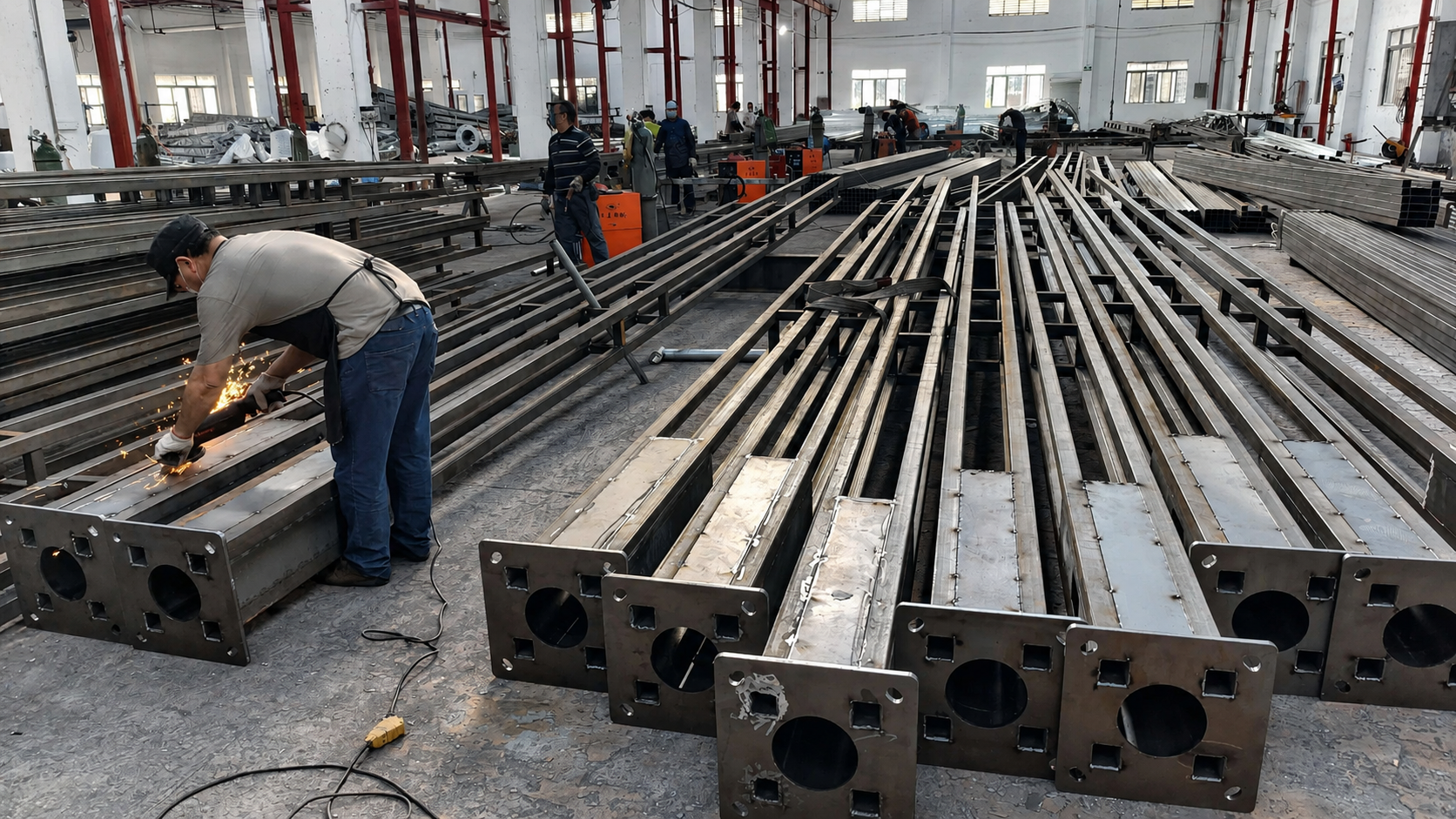
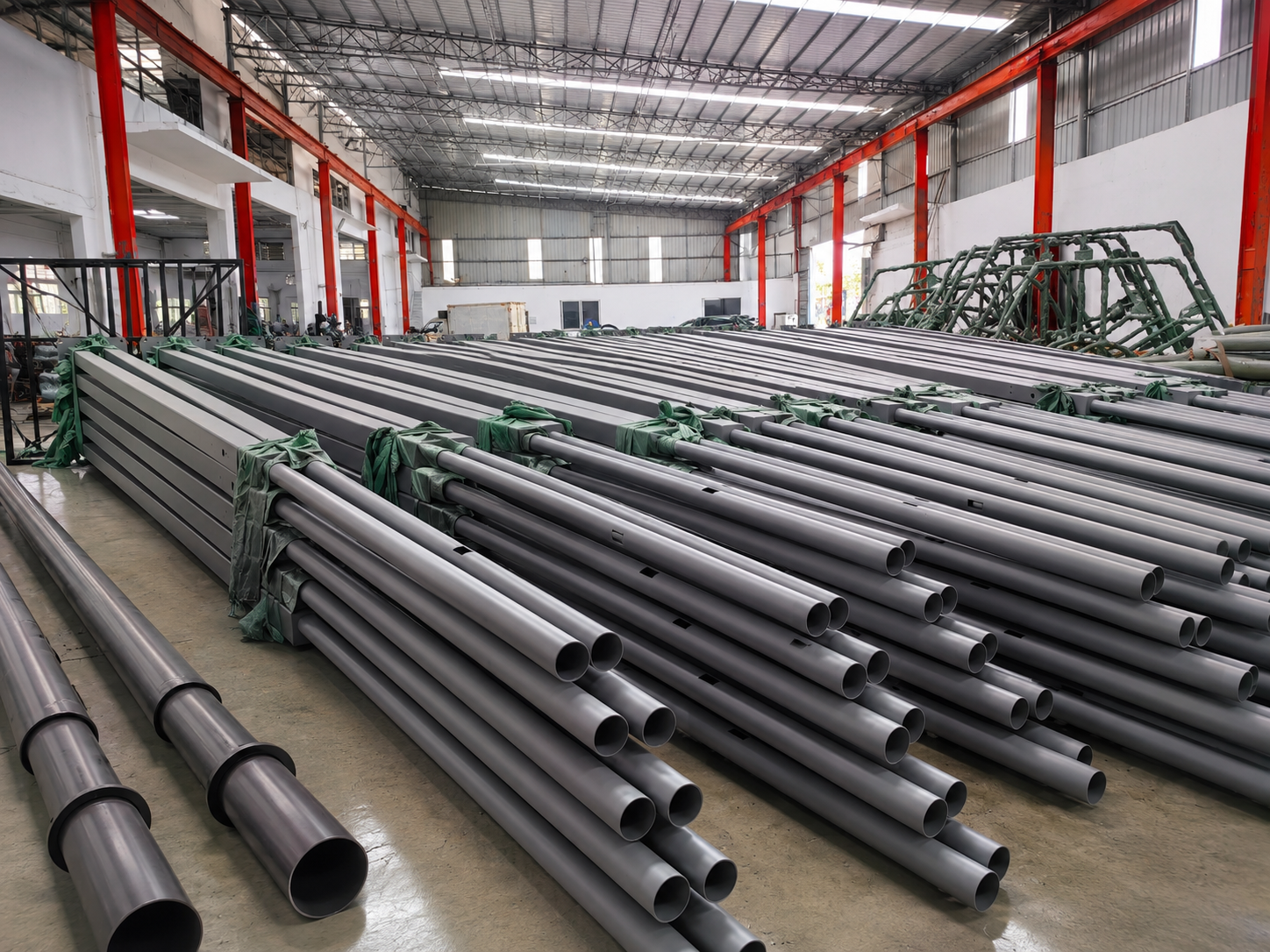
Inspection and aging testing precede packaging and export delivery in BAIFU LIGHTING's production flow, which runs through metal fabrication, cutting, forming, welding, structural assembly, surface treatment, outdoor powder coating, electrical assembly, product inspection, aging testing, packaging and export delivery. Writing that stage into the project schedule, and agreeing which records travel with the shipment, is one of the cheapest acceptance improvements available to a buyer.
3. Long-Term After-Sales: Separate Service Life from Warranty
The most common misunderstanding in long-term outdoor lighting contracts is treating a service-life figure as a warranty. The ≥50,000-hour service life of the BF-LSL-4000-120W and the BF-AGL-4000-60W describes the light source under reference conditions. Warranty is a separate commercial term: for the BF-SL-8M-100W solar street lamp it is defined according to project configuration and contract requirements. Buyers should therefore write the warranty period, the covered components (luminaire, driver or controller, pole coating, solar panel, battery) and the response path as distinct items.
Solar configurations deserve their own clause. A 12 V 80 Ah maintenance-free lead-acid battery is a serviceable component inside a system that runs 10–12 hours per day. Planning replacement expectations, and recording the exact battery and panel specification so that a replacement matches, is part of after-sales planning rather than an optional extra.
Two further items protect continuity. First, archive the approved drawing set, colour reference and control protocol, and require written notice before any substitution on a repeat order. Second, treat the control layer as a multi-year decision: with D4i and Zhaga increasingly adopted for sensor-to-luminaire interoperability, specifying an interoperable interface where sensors may be added later avoids replacing luminaires when a smart city layer arrives.
Step-by-Step: Structuring the Partnership from Brief to Repeat Order
- Project brief and site data. Road class or public space type, mounting height, local wind speed, solar autonomy requirement and control intent.
- Model and configuration selection. Map the requirement to the BF-SL-8M-100W, the BF-AGL-4000-60W, the BF-LSL-4000-120W or a non-standard variant.
- Appearance and drawing approval. CAD drawings, decorative patterns and colour references signed off; appearance design evaluation and sample development are part of the supported scope.
- Commercial terms and quotation. Itemised customisation scope, documentation list, warranty basis and the repeat-order substitution rule.
- Manufacturing. Metal fabrication, cutting, forming, welding, structural assembly, surface treatment, outdoor powder coating and electrical assembly.
- Inspection, aging test, packaging and export delivery. Export documentation and shipment coordination handled according to project requirements.
- Acceptance and archive. The signed checklist, not the memory of the inspection, becomes the baseline for every later order.
- Repeat-order control. Each new batch is compared against the archive: colour, pattern, pole structure, control protocol and solar configuration.
Use Cases: Where Each Partnership Risk Shows Up
Municipal and rural road projects — BF-SL-8M-100W
The BF-SL-8M-100W is a separate-type solar street lamp built on an 8 m single-arm conical pole in Q235 high-quality steel, hot-dip galvanized overall and then electrostatically sprayed. The 100 W LED delivers at least 150 lm/W, powered by a 200 W high-efficiency monocrystalline panel and a 12 V 80 Ah maintenance-free lead-acid battery, with 10–12 hours of lighting per day and 2–3 days of rainy-day autonomy, configurable. Control is light plus time control with optional intelligent dimming; protection is IP65/IP66; colour temperature is selectable at 3000K, 4000K, 5000K or 6000K; the working range is -20 °C to +60 °C; installation is fixed by pre-buried anchor bolts; wind resistance is based on structural design according to the wind speed at the project location. The partnership risk here is assumption rather than hardware: autonomy days and battery specification must be written into the terms, otherwise acceptance verifies a configuration nobody actually agreed to.
Courtyard, villa and hospitality lighting — BF-AGL-4000-60W
The BF-AGL-4000-60W ancient-style courtyard lamp uses a high-pressure cast aluminium body and a Q235 hot-dip galvanized steel pole, installed at 3–4 m (customisable) with LED options from 30 W to 80 W, input voltage AC 85–265 V at 50/60 Hz, luminous efficacy of at least 130 lm/W, IP65/IP66 protection, Ra≥70, PF≥0.95, a service life of at least 50,000 hours and an operating range of -30 °C to +60 °C. Control is conventional switch control, with light control, time control or intelligent control optional; fixation is by flange base with pre-installed anchor bolts; standard colours are black, dark grey and copper brown with RAL matching available. In decorative and architectural street lighting the finish and the pattern are the product, so the partnership risk is cosmetic drift: archive the approved sample and the RAL reference, and make colour a named acceptance item.
Urban roads, plazas and commercial streets — BF-LSL-4000-120W
The BF-LSL-4000-120W is a non-standard customised decorative landscape luminaire with mounting heights of 6 m, 8 m, 10 m or 12 m, LED power from 60 W to 200 W, at least 130 lm/W, Ra≥70 with Ra≥80 optional, IP65/IP66, Class I, and a service life of at least 50,000 hours across an operating range of -30 °C to +60 °C. Pole structures can be conical, square, special-shaped or artistic, with single-arm, double-arm, multi-arm or combined high-low head arrangements and road, plaza or decorative light distributions. Control ranges from standard on-off to photocell, timer, 0–10V dimming, DALI and smart lighting control, and decorative features can include hollow patterns, luminous decorations, city logos and cultural totems. Two risks dominate: mid-project design change, which must be re-drawn and re-priced rather than absorbed silently, and an unspecified control layer.
Comparison: What Each Model Requires in the Contract
| Parameter | BF-SL-8M-100W | BF-AGL-4000-60W | BF-LSL-4000-120W |
|---|---|---|---|
| Product category | Separate-type solar street lamp | Ancient-style courtyard lamp (Aluminum/Steel Cast Outdoor Lamp) | Custom decorative landscape street light |
| Installation height | 8 m single-arm conical pole | 3–4 m, customizable | 6 m, 8 m, 10 m, 12 m, customizable |
| LED power options | 100 W | 30 W, 40 W, 50 W, 60 W, 80 W | 60 W, 80 W, 100 W, 120 W, 150 W, 180 W, 200 W |
| Luminaire efficacy | ≥150 lm/W | ≥130 lm/W | ≥130 lm/W |
| Power system / input | 200 W monocrystalline panel; 12 V 80 Ah maintenance-free lead-acid battery; 10–12 h per day; 2–3 rainy days (configurable) | AC 85–265 V, 50/60 Hz | AC 85–265 V, 50/60 Hz |
| Protection and electrical class | IP65/IP66 | IP65/IP66; Class I; PF≥0.95 | IP65/IP66; Class I; PF≥0.95 |
| Colour temperature / CRI | 3000K, 4000K, 5000K, 6000K; Ra≥70 | 3000K, 4000K, 5000K, 6000K; Ra≥70 | 2700K, 3000K, 4000K, 5000K, 6000K; Ra≥70 (Ra≥80 optional) |
| Control | Light control + time control; intelligent dimming optional | Switch control; light, time or intelligent control optional | On-off standard; photocell, timer, 0–10V dimming, DALI, smart control optional |
| Operating temperature | -20 °C to +60 °C | -30 °C to +60 °C | -30 °C to +60 °C |
| Service life / warranty basis | Quality guarantee period according to project configuration and contract requirements | ≥50,000 hours | ≥50,000 hours |
| Structure and finish | Q235 steel pole, overall hot-dip galvanizing + electrostatic spraying; pre-buried anchor bolts | High-pressure cast aluminium body, Q235 hot-dip galvanized pole, outdoor electrostatic powder coating; flange base with pre-installed anchor bolts | Q235 hot-dip galvanized steel, 304 stainless steel, die-cast aluminium housing, powder coating; flange base with embedded anchor bolts |
| Typical applications | Municipal roads, rural roads, urban side roads, industrial parks, residential communities, park roads | Residential communities, villa courtyards, urban parks, commercial plazas, hotels and resorts | Urban roads, parks, plazas, commercial streets, large-scale landscape lighting projects |
| Key contractual focus | Autonomy days + battery specification | Colour and pattern consistency | Control layer + non-standard structure |
The three models differ less in protection class than in what must be pinned down contractually: autonomy and battery specification for the solar model, colour and pattern consistency for the courtyard lamp, and control layer plus non-standard structure for the landscape luminaire. Read the table as a terms map rather than a ranking.
FAQ: Custom Street Light Partnerships
Which standards and ratings should an acceptance checklist reference — design standards or product specifications?
Both, at different levels. The EN 13201 series (parts 1–5) defines quality, performance and energy indicators for road and street lighting design, and ANSI/IES RP-8 is the primary American national standard for lighting roadway and parking facilities, focused on luminance and safety criteria. Neither is a product certificate. Product-level acceptance should reference the values written in the purchase order: IP65 or IP66 protection, Class I electric shock protection, PF≥0.95, Ra≥70 or Ra≥80 where ordered, and the specified luminaire efficacy — at least 130 lm/W for the BF-LSL-4000-120W and BF-AGL-4000-60W, and at least 150 lm/W for the BF-SL-8M-100W — plus the control functions actually ordered.
Custom street light manufacturers: what should a buyer verify before a long-term commitment?
Verify manufacturing scope rather than catalogue breadth. Zhongshan Baifu Street Lamp Co., Ltd. was established in 2013 and has over 13 years of outdoor lighting manufacturing experience, operating an 11,158 m² facility with approximately 68 staff, a five-engineer R&D team and an annual production capacity of 50,000 units. Its capabilities cover metal fabrication, cutting, forming, welding, structural assembly, surface treatment, outdoor powder coating, electrical assembly, product inspection, aging testing, packaging and export delivery, alongside OEM and ODM outdoor lighting manufacturing and project-based solutions. Products are exported to 71 countries, with major markets in the Middle East, Central Asia, North America, Southeast Asia and Africa and exports accounting for 45% of total sales — relevant because export documentation and shipment coordination form part of the service package, not an afterthought.
How should budget be structured across a multi-year custom street light programme?
Structure budget around the variables that change cost, not around a single headline unit price. The drivers are pole height and structure (6 m to 12 m, with conical, square, special-shaped or artistic poles), LED power band (30–80 W for the BF-AGL-4000-60W, 60–200 W for the BF-LSL-4000-120W), control method (from standard on-off switching to photocell, timer, 0–10V dimming, DALI or smart lighting control), decorative features, colour and finish, and — for solar models — panel and battery capacity, since rainy-day autonomy is configurable. Compare quotations only when they state the same customisation scope and documentation list; otherwise the lower quote simply describes a smaller scope. A project quotation itemised against that scope makes the comparison honest.
Can a sample be produced before the order, and what should it prove?
Yes — sample development and appearance design evaluation are part of the supported pre-order scope, alongside CAD drawing development and lighting configuration recommendations. A sample should prove the items that are difficult to change later: the finish and colour against the RAL reference, the decorative pattern and its geometry, the bracket and pole interface, the control function where ordered, and the sealing design behind the declared IP65/IP66 rating. A sample does not replace acceptance criteria for production, however, so pair it with the written checklist described above and treat the approved sample as the archived reference for every repeat order.
How is delivery scheduled, and how do repeat orders stay on schedule?
Delivery is set per project rather than as a fixed catalogue figure: lead time is confirmed against the project configuration and contract requirements, and export documentation and shipment coordination are handled according to project requirements. Three steps keep a programme on schedule — freeze the specification before drawings are approved, approve drawings before production begins, and schedule inspection, aging testing and packing explicitly instead of treating them as invisible. On repeat orders, comparing the new batch against the archived drawing set, colour reference and control protocol prevents re-approval delays. To start a configuration review, request the BAIFU LIGHTING customized album or send project drawings, mounting height and site wind data for a quotation.
Conclusion
A custom street light partnership becomes durable at the moment the specification stops being a description and starts being a checklist. Terms define what is being bought; acceptance defines when it has been delivered correctly; after-sales defines what happens next, and who is responsible for which component.
The three models discussed here follow the same pattern. The BF-SL-8M-100W needs its autonomy target and battery configuration written down, the BF-AGL-4000-60W needs its finish and pattern archived, and the BF-LSL-4000-120W needs its control layer and non-standard structure specified before drawings are frozen. Buyers who close those three items before the first order spend the following years managing projects instead of renegotiating specifications.
Next step: request the BAIFU LIGHTING customized album (PDF) for the full product and customisation overview, or send project drawings, mounting height, control requirements and site wind data for a configuration review and quotation. Samples can be developed for appearance evaluation before a production order.
Album:BAIFU LIGHTING Customized Album (PDF)
Website:www.baifulamp.com
Contact: Jack Chen · WhatsApp +86 195 8242 2595 · Tel +86 186 8015 2652 · Email chenyingjie@baifulamp.com
Address: No. 102 Xinxing Avenue, Guzhen Town, Zhongshan City, Guangdong Province, P.R. China.
Have Questions or Need More Details?
Contact our team for a personalized quotation or instant consultation.
Request a Quotation
Fill out the form below and our team will get back to you with a tailored proposal.
WhatsApp Direct Chat
Prefer to chat in real-time? Message us on WhatsApp for instant assistance & quick answers.
- Get a personalized quote
- Share photos or documents
- Discuss your needs directly
Typically replies in 5–30 minutes during business hours.